1909
Born 1909 in Minneapolis, Dorothy Bennett was the only child of Daniel Bennett, an architect, and his wife, Marion.
Below you'll find a brief timeline of Dorothy Bennett's life and major accomplishments. Hover over the images to learn more!
Born 1909 in Minneapolis, Dorothy Bennett was the only child of Daniel Bennett, an architect, and his wife, Marion.
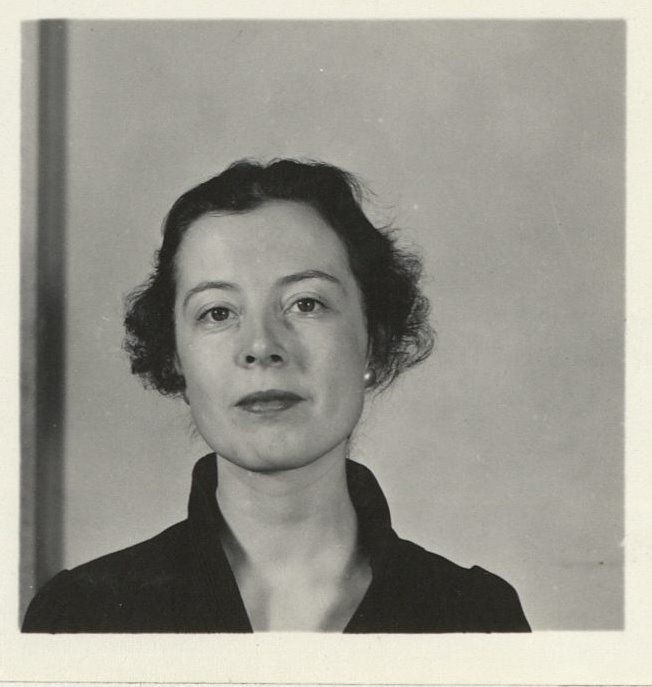
In the fall of 1930, Bennett moved to New York, like so many others before her and after her: a college graduate with an English degree and no job. Luckily, she got hired at the American Museum of Natural History in the Dept. of Education.
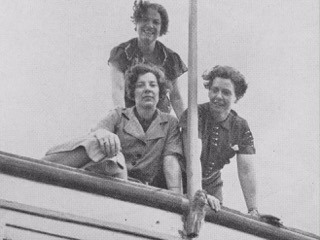
(image courtesy of AMNH Library)
Dorothy Bennett and her friend purchased a welding barge in the Gowanus Canal.
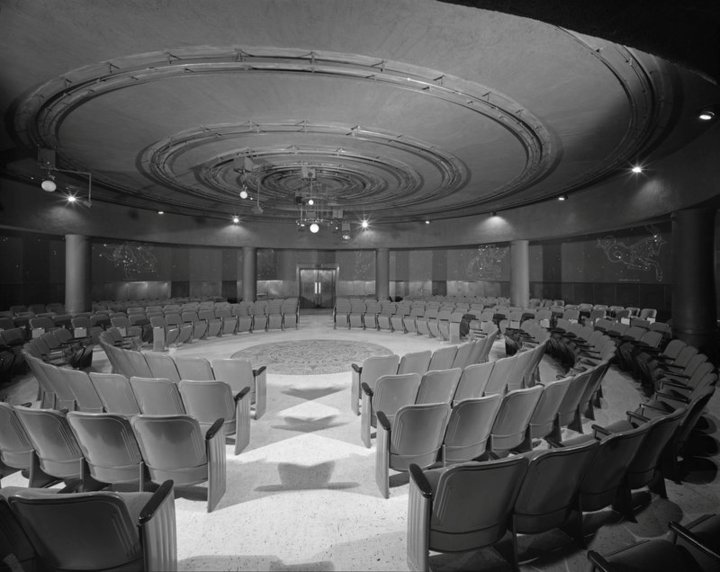
Only five years after graduating university, Dorothy Bennett achieved the position of Assistant Curator of Astronomy at the Museum of Natural History. This was an especially great feat because of her young age and gender. Since the Hayden Planetarium opened in 1935, Bennett also played a big role in educating museum visitors using the planetarium's technology. Over a period of four years, Bennett delivered more than 1,000 lectures at the planetarium!
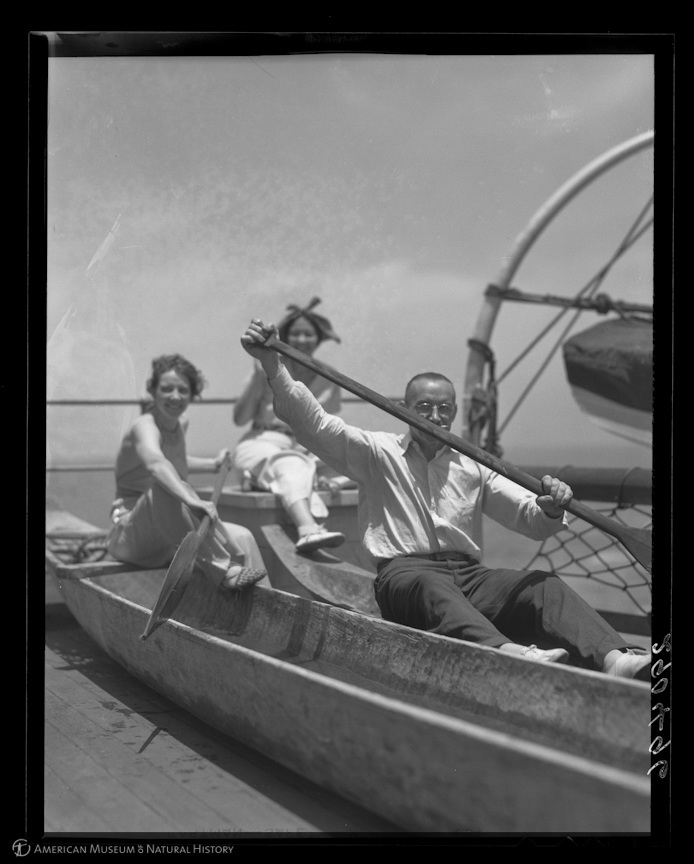
Bennett and her collegues go on a major expedition to Peru to view a solar eclipse.
Overall, Bennett had a great impact on the Museum. She had expanded the Junior Astronomy Club, introduced thousands of people to astronomy, and did all of this as a woman in the male-dominated environment of the Museum.
However, after working at the museum for almost a decade, Bennett knew her time had come to move to another field. An avid book lover and author of the bestselling 1935 New Handbook of the Heavens, Bennett entered the publishing field in 1939.
Returning to her university, Bennett found work at the University of Minnesota Press as a manager in public relations and sales.
Alas, by 1943, Bennett shifted professions once again, this time to working as an editor at Simon & Schuster's Little Golden Books . The children's book series broke records, selling million upon millions of copies. Bennett, herself published a scientific series called the Golden Nature guides.
Unfortunately, in 1954, she was fired and headed west to California. At Univerity of California, Berkely she founded the EPOCH program (Educational Programming of Cultural Heritage) which used a variety of technologies to teach about cultural diversity.
Dorothy Bennett passed away at age 90 in Texas.
Created at the 2019 Hackathon at the American Museum of Natural History