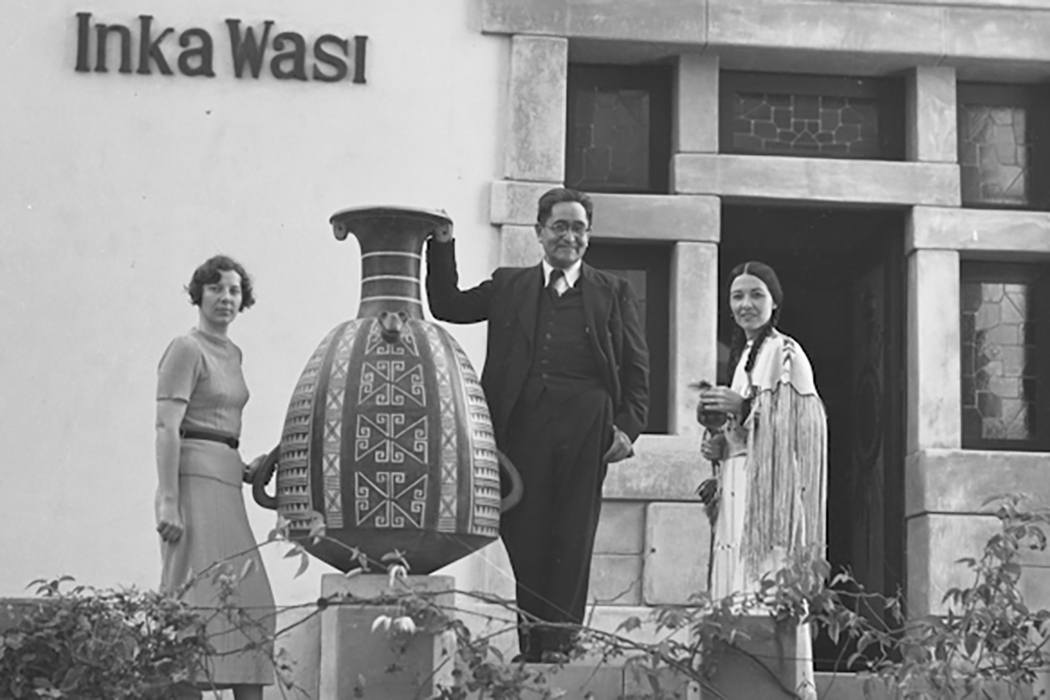
In the 1930s, women were beginning to experience more freedom in both the workplace and at home. In the aftermath of the Great Depression, more jobs opened to women who had preivously been stay-at-home mothers or wives who busied themselves with the care of their husbands and children. This was an opportune time for Bennett who graduated from Minnesota college in 1930 and later became the first assistant curator for the Hayden Planetarium at the Museum of Natural History in 1935 where she was given an opportunity desired by male and female workers alike.2
“Gowanus Canal…is the most notorious section of the New York harbor…a favorite hangout of longshoremen, prisoners on parole, and pirates.”1
Though information is limited, it does not appear as though Bennett faced much discrimination once out of college and in a proffessional enviroment with the Museum of Natural History. However, Bennett did experience personal challenges in her tendency towards zeligism wherein she would imitate the appearance, behavior and attitudes of people deemed socially acceptable.
Not permitted to go to on an expedition to Africa, because her anthropology professor would not allow women. Had trouble purchasing a barge for auction, because "women did not belong there."
Link to the timeline1Dorothy A. Bennett. Sold to the Ladies! or The Incredible but True Adventures of Three Girls on a Barge. New York City: G.W. Stewart, 1940.
2Leslie Albrecht. "Meet the Amazing Women Who Restored a Barge on the Gowanus Canal in 1936." dnainfo.com. April 15. 2016. https://www.dnainfo.com/new-york/20160415/gowanus/meet-amazing-woman-who-restored-barge-on-gowanus-canal-1936/